
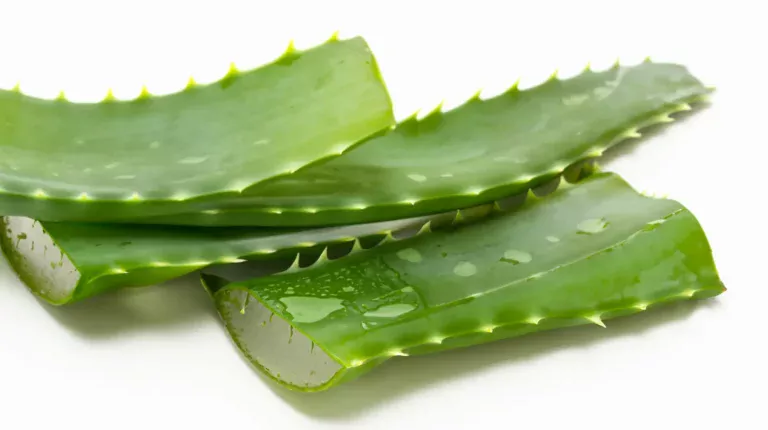
The green skin of Aloe Vera is a natural insecticide.
Aloe Vera Peel – Nature’s Own Insecticide The peel of aloe vera — a part of this popular plant that
from Growa
Home » Research and science » Barley Sprout Juice (Barleygrass) suppresses obesity and improves Blood Lipid Profile
BarleyGrass (Hordeum vulgare L.) – widely known as live juice from barley sprouts, where the seeds are a nutritious food grain belonging to the Poaceae family. Barley microgreen sprouts are considered as one of the most nutritious green grasses and are known to have the highest concentration of nutrients at early stages of growth. Barley seeds are considered to have high nutritional value and antioxidant properties. Barley grass juice is also considered part of a health drink in many parts of the world. It is claimed to inhibit a range of health disorders such as obesity, diabetes, circulatory disturbances, arthritis, anemia, high cholesterol levels, kidney diseases, and cancer (Nishiyama et al., 1994; Shibamoto et al., 1994).
Barley sprouts were also a popular functional food in China, Korea and Japan, and used by traditional healers to treat various inflammatory and cardiovascular diseases (Hagiwara, 1978; Hagiwara et al., 1979, 2001; Lahouar et al., 2015). However, there are very few reports in the literature that confirm the ethnomedical claims about barley grass juice being a remedy for obesity. Thus, the present study was conducted to systematically evaluate the activity of barley grass sprout juice (Barley Grass) against obesity using different in vitro and in vivo models.
Changes in the environment and lifestyle have a huge impact on human life leading to chronic diseases such as obesity, asthma, diabetes and cardiovascular diseases, which require longer care and monitoring. Obesity is known as the “New World Syndrome” and according to the American National Health and Nutrition Examination Survey program, 70.2% of people were considered obese, and 32.5% were overweight (Flegal et al., 2016). This is considered a common health risk associated with hyperlipidemia, hypertension, cardiovascular diseases, diabetes and some types of cancer, leading to morbidity and mortality (Sartipy and Loskutoff, 2003; Eckel et al., 2005).
Diet plays a key role in the etiopathogenesis of obesity. Consumption of high-fat diets acts through PPAR-gamma and related pathways leading to obesity and non-alcoholic fatty liver disease (NAFLD) (Souza-Mello, 2015). Lipid accumulation leads to hepatocellular damage mediated by increased expression of caspase-3 (Feldstein et al., 2003; Wieckowska and Feldstein, 2008). Therefore, we attempted to study the effect of Barley Grass juice on PPAR-gamma and caspase 3 levels in the liver.
Early studies showed potential antioxidant and anti-aging effects of roasted hulled barley and roasted barley grain (Duh et al., 2001; Omwamba et al., 2013). The positive influence of barley seed sprouting on enhancing the antioxidant and inhibitory activity of α-glucosidase has been reported (Ha et al., 2016). It has been reported that bound and free phenolic compounds in barley affect the total phenolic content, antioxidant and anticancer activity, making it a major ingredient in functional foods (Yong et al., 2015).
The aim of this study was to characterize and evaluate the action of barley sprout juice (Hordeum vulgare L.) against obesity in a high-fat diet model.
The barley sprout juice was characterized by GC-MS analysis for detection of active phytochemical constituents and was subjected to standard antioxidant assays in vitro. For in vivo studies, obesity was induced by high-fat diet model in adult male Wistar rats. Atorvastatin (10 mg/kg) was used as standard, and barley sprout juice was administered at two doses (200 and 400 mg/kg) for 60 days. Anthropometric parameters, lipid profile and liver function markers were monitored at regular intervals in all treatment groups. At the end of the study, liver and carotid artery histopathological analysis was carried out. Levels of in vivo antioxidant enzymes such as SOD, catalase, reduced glutathione and lipid peroxidation in terms of malondialdehyde were also evaluated in liver homogenates. Levels of PPAR-gamma and caspase 3 expression were determined in the liver.

The yield of the obtained semi-solid Barleygrass was found to be 7.92% (w/w) of the fresh grass weight. Phytochemical screening of barley grass sprout juice revealed the presence of flavonoids, saponins, and terpenoids.
The total content of phenolics and flavonoids in Barleygrass juice was found to be 225.33±1.67 mg gallic acid equivalent/g and 203±1.03 mg quercetin equivalent/g of extract, respectively. A chromatogram of Barleygrass showed 12 peaks indicating the presence of 12 phytochemical components. Retention times (RT), molecular.
Results showed that Barleygrass sprout juice exhibited potent in-vitro antioxidant activity. Rats fed with a high-fat diet for 60 days showed a significant increase in body weight, BMI, alterations in lipid profile, markers of liver function such as AST, ALT, ALP, and increased expression of PPAR-gamma and caspase 3. However, administration of barleygrass juice for 60 days significantly reduced body weight, BMI, improved lipid profile, and markers of liver function. This was evidenced by lowered expression of PPAR-gamma and caspase 3 in the liver. Histopathological variations observed in the liver and carotid artery in the high-fat diet group were mitigated by treatment with Barleygrass juice. GC-MS analysis revealed the presence of 12 phytochemical components in Barleygrass sprout juice.
Overall, the study established that Barleygrass sprout juice is an effective agent for correcting altered lipid profile, body weight, and BMI induced by HFD. This protection offered by Barleygrass can be explained by its ability to reduce the absorption of dietary lipids and plasma triglycerides. It was also found that Barleygrass juice is a potent antioxidant that could alleviate necrotic changes caused by HFD, as noted in histopathological observations. Our study noted a positive correlation between levels of PPAR-gamma and caspase 3.
The study demonstrates the action of barleygrass sprout juice against obesity, and it can be concluded that barley grass juice may be an effective nutraceutical in the treatment of obesity. Link to the study here.
~ Learn more ~
Aloe Vera Peel – Nature’s Own Insecticide The peel of aloe vera — a part of this popular plant that

Introduction: Oral squamous cell carcinoma is the sixth most common cancer worldwide and is one of the leading causes of
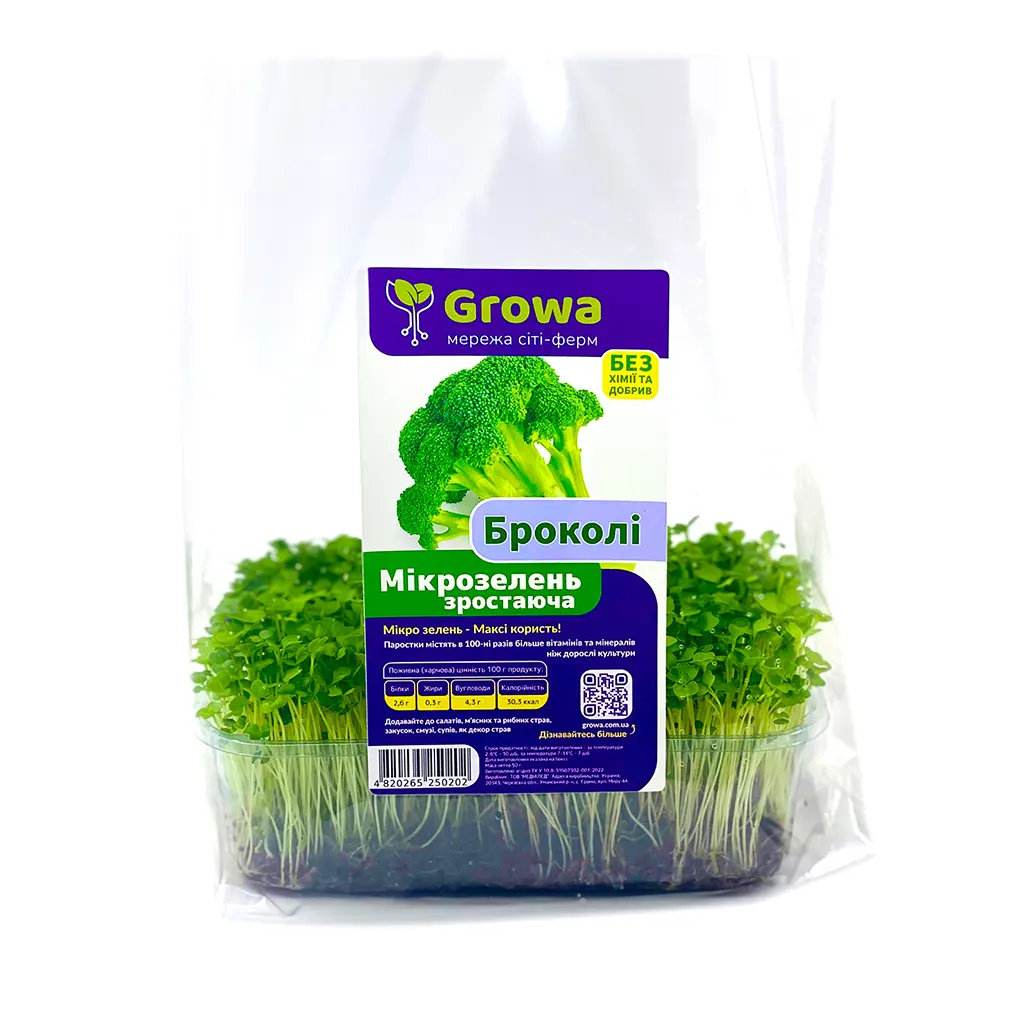
готова до вживання

шокова заморозка

порошок із клітковини
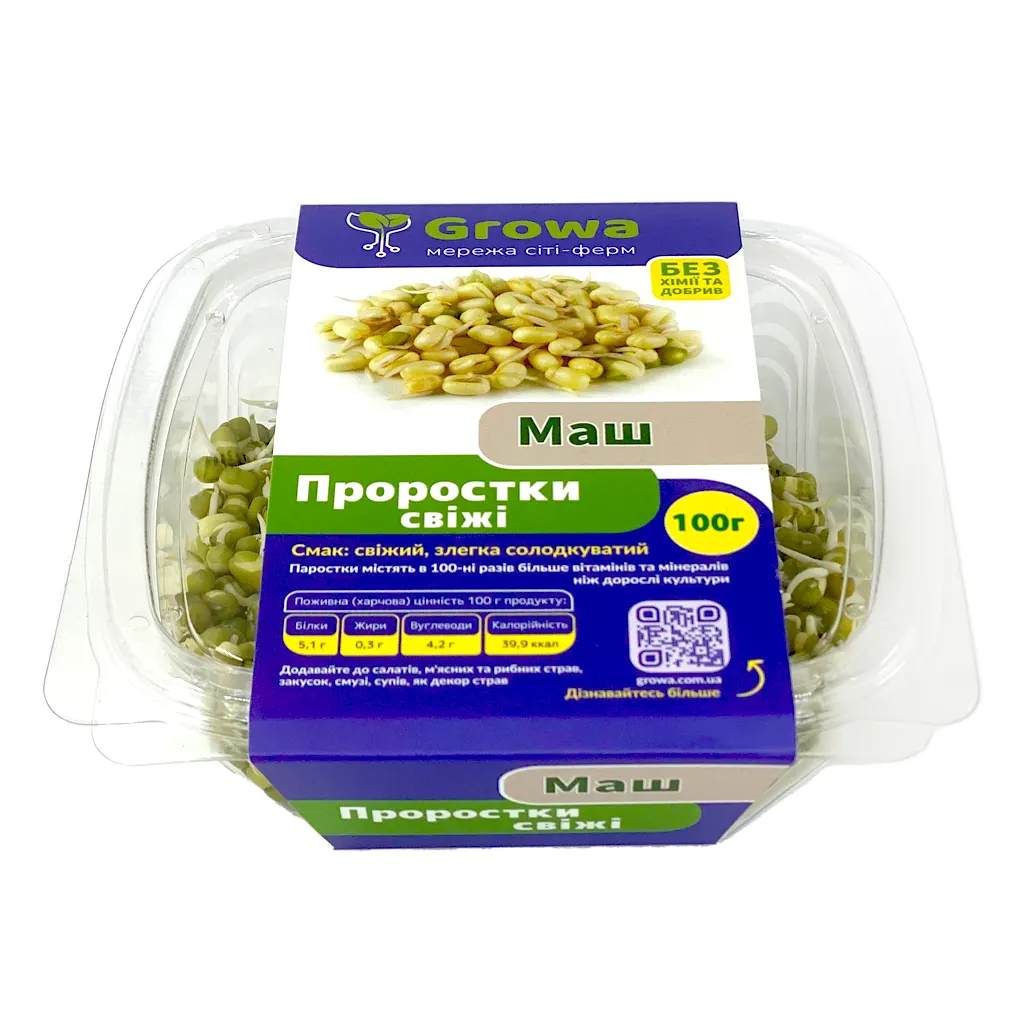
готові до вживання

для вирощування
упаковка, матеріали
для вирощування

дегустаційні набори
